

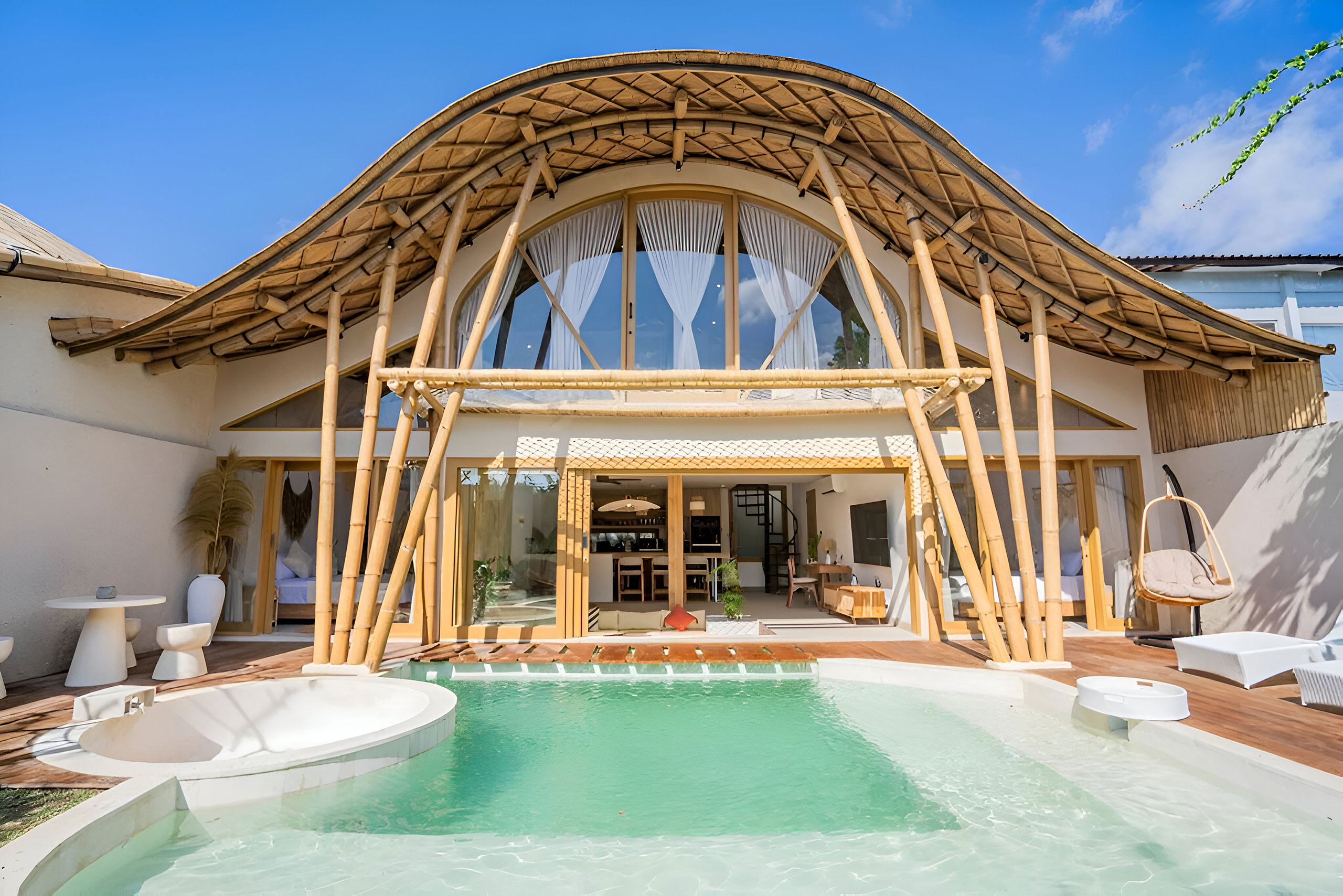
Step 1: Understand Property Ownership in Indonesia
Foreigners cannot directly own freehold land in Indonesia, but leasehold and nominee structures are legal and widely used. Most villa investors opt for a 25-30 year lease, renewable for another term. This setup offers long-term control and a clear return on investment timeline.
Step 2: Choose the Right Area and Property Type
Determine your investment strategy:
- Short-term rentals (Canggu, Seminyak, Uluwatu) for higher yields.
- Long-term rentals (Ubud, Sanur) for stability.
- Luxury lifestyle villas (Pererenan, Bingin) for capital appreciation.
Consulting with a local real estate agency can help you identify high-performing areas and avoid overdeveloped zones.
Step 3: Work with Trusted Professionals
Partnering with experienced notaries, legal consultants, and villa management companies ensures that your investment complies with local regulations. A professional management team will handle guest relations, marketing, and maintenance—giving you peace of mind while earning income.
Step 4: Estimate Your ROI
On average, a well-managed villa in Bali can generate 10–15% ROI annually. Factors that influence ROI include location, villa design, occupancy rate, and management quality. Always analyze your operational costs, including staff, utilities, and maintenance.
Step 5: Market Your Villa Effectively
Digital marketing plays a crucial role in maximizing occupancy. Listing your villa on Airbnb, Booking.com, and social media platforms helps reach a global audience. Professional photography and strong branding can set your property apart from thousands of others.
Conclusion
Investing in a villa in Bali can be both profitable and fulfilling. With careful planning, local partnerships, and smart management, you can enjoy a slice of paradise that also pays for itself.
Recent Articles



What Are the Legal Solutions for Investing in Bali as a Foreigner?

Real ROI in Bali in 2025

Top 5 Locations in Bali to Buy a Villa in 2025


The Benefits of Owning a Managed Villa in Bali